I had an important realization this week as I made a big, life-changing decision (i.e., which “first day of kindergarten” photos to post on Facebook. I know, I’m still reeling from all the pressure.)
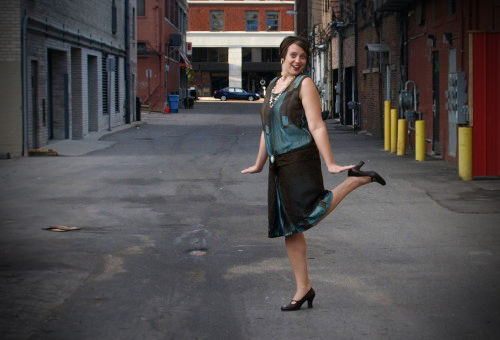
In my mind I tell myself that the pictures of my life and the life of my family should be “normal” and “pleasant.” Something you could put in a frame. Something you could send to parents and grandparents. Something like these:

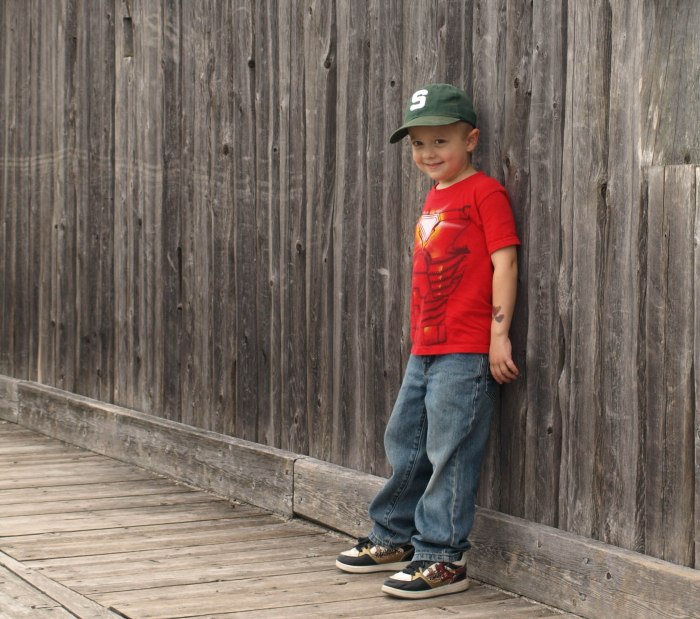
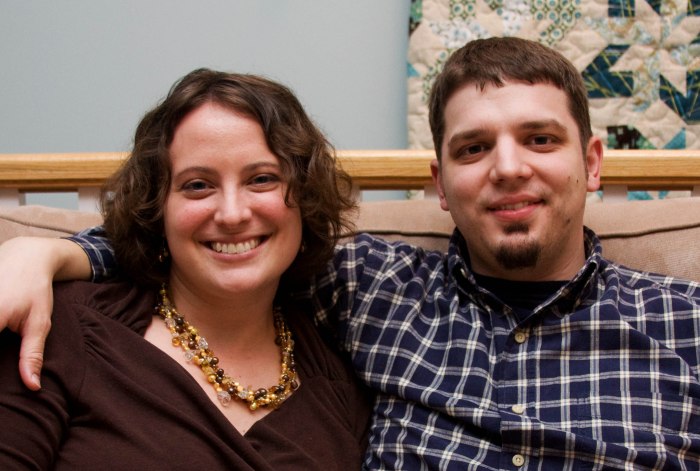
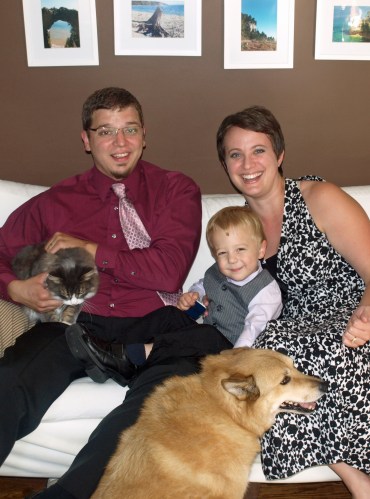

So I ask my son to “smile for real” and hear a lot of “c’mons” come out of my mouth. But in reality, these are the kinds of pictures I generally end up getting the best responses to when I share them (and they’re the ones I really enjoy sharing):

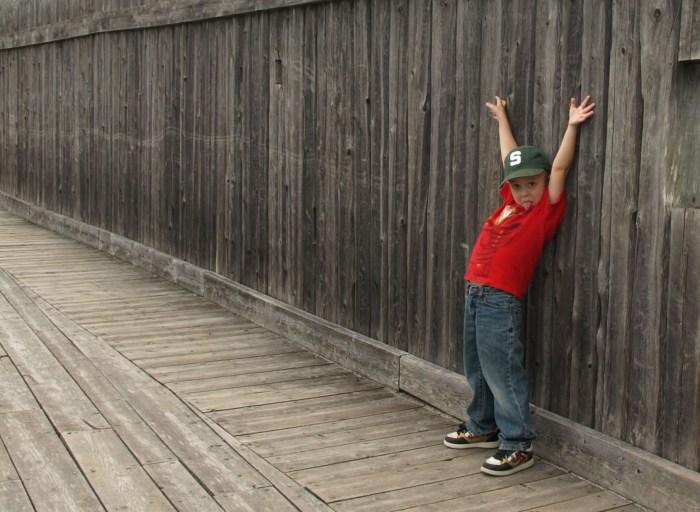
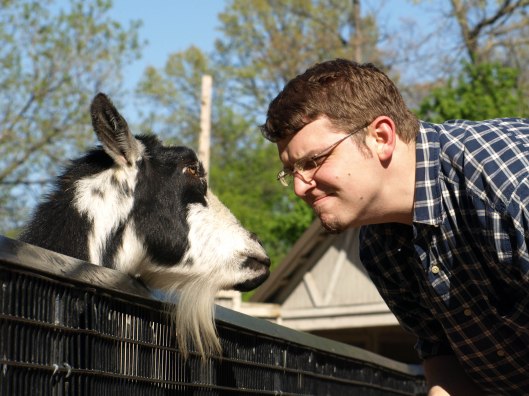
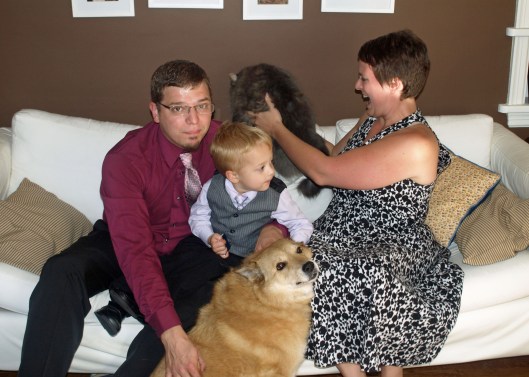

Why? Because they are more interesting. They have personality. They’re truthful. We’re kind of strange and we like it that way. Not to say that we’re not a very pleasant family and even pleasing to the eye at times, but beneath that thin veneer of propriety, we’re really…well, like this:
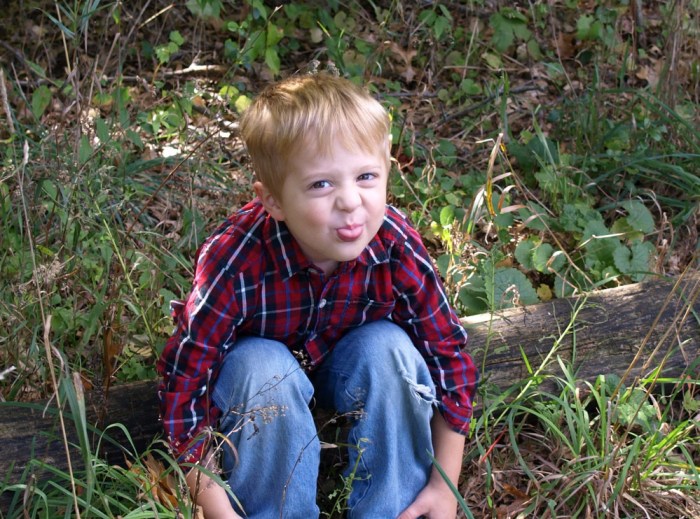
Here’s where this parallels writing. Sometimes there’s pressure (internal or external) to make characters or stories “pleasant.” You hear from a writing group member or an agent that your character isn’t “sympathetic” enough. Or that your story is a real downer. Or “Can’t you just write a happy ending for once?”
Though he’s supportive to a fault, my husband will sometimes come to the end of a story of mine, look at me with…well…let’s say concern, and breathe out a little “Sheesh!” I actually love this reaction, but there is still a teensy-tiny part of me that starts to question…
Will people be put off by this?
Will people think I have done or would like to do some mean or immoral thing that one of my characters has done?
Will people think I’m a bad person?
Will people start avoiding me?
Will people think I have psychological problems when they read this?

Generally, I’m happy enough with the literary results of my efforts that I simply shrug, upload a new story to Amazon, and hope that people will have a good reaction to it. And in my mind, “Sheesh!” is a good reaction. Being a little creeped out is good. Feeling kind of sad is good. Feeling is good.
When stories are too pleasant, wrap up too neatly, or are just a touch too sweet, I get the groans. I’m bored or I’m unsurprised or I’m simply closing the book and never picking it up again. And you can be boring even if you have an interesting plot simply because your main characters have no faults.
Here’s a useful tool to examine your own writing. If you have to answer yes to more than two of these questions, your protagonists may be suffering from pleasantitis:
Are they always attractive (even if they don’t see it themselves)?
Do they have overly-interesting eye colors, especially involving descriptors such as “the sea on a stormy night” or “flecks of purest gold?”
Do they have gorgeous, Pantene-commercial-worthy hair even if they lived in a time when no one showered?
Do they have beautiful teeth and winning smiles even if they lived in a time when EVERYONE had bad teeth?
Do they always know what to do in a given situation?
Do they always get the girl/guy/promotion/bad guy/treasure/best cuts of meat at dinner?
See what I’m getting at here? Too much “pleasant” or “normal” or “perfect” or “happy” and the rest of us mortals can’t really identify with them. Flaws are essential. Flaws in your characters are like the conflict in your plot. If there’s no conflict, there’s no story and if there are no faults, there are no believable characters. Real flaws, not just that she has to wear glasses or he once broke someone’s heart.
How about she has a secret and almost insatiable desire to ruin her sister’s life? Or he suffers from near-crippling anxiety around his father because he fears he’ll never measure up? Or she compulsively corrects everyone’s grammar and so her friends actually loathe her? Or he neglects his own children because he’s so focused on his own advancement and amusement?
Then you take your flawed character and you find something in them, some trait or some believably terrible backstory, that will make them sympathetic without having to be perfect. (Aside: If you want an excellent example of this type of character, watch the hugely underrated movie Young Adult.)
Perfect people aren’t sympathetic. They’re kind of annoying. And anyway, they’re not really perfect either. They’re simply afraid to be real.
Be yourself. Let the real you come through your writing or art or whatever you do.
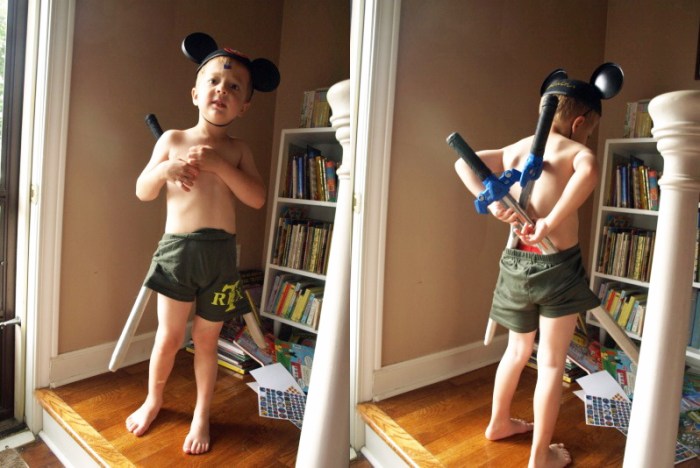
No matter how weird…
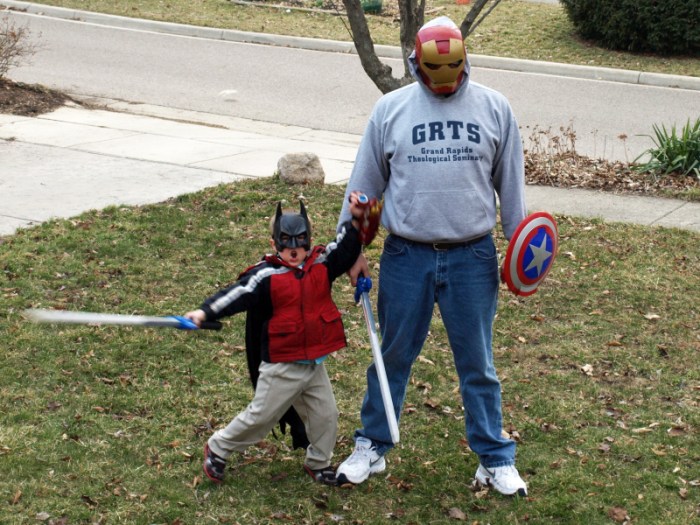
…or silly…
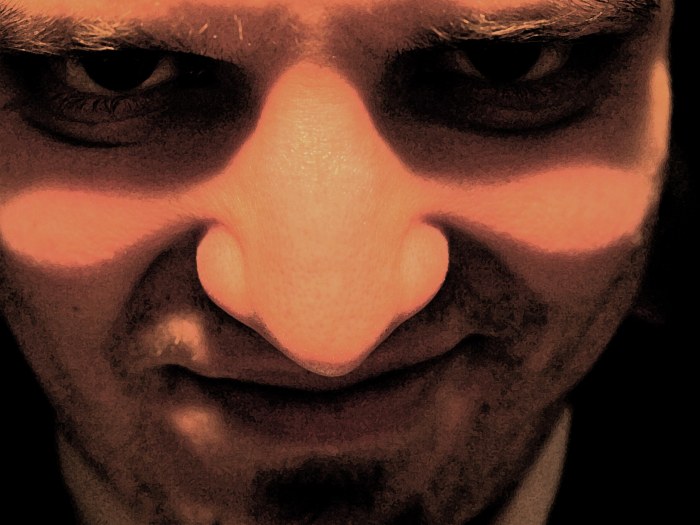
…or generally off-putting.
 “Nobody ever became a writer just by wanting to be one. If you have anything to say, anything you feel nobody has ever said before, you have got to feel it so desperately that you will find some way to say it that nobody has ever found before, so that the thing you have to say and the way of saying it blend as one matter—as indissolubly as if they were conceived together.”


 Erin Bartels
You must be logged in to post a comment.