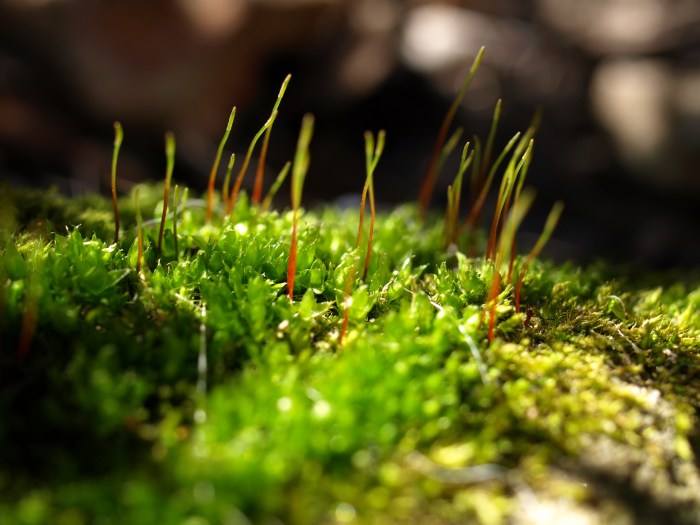
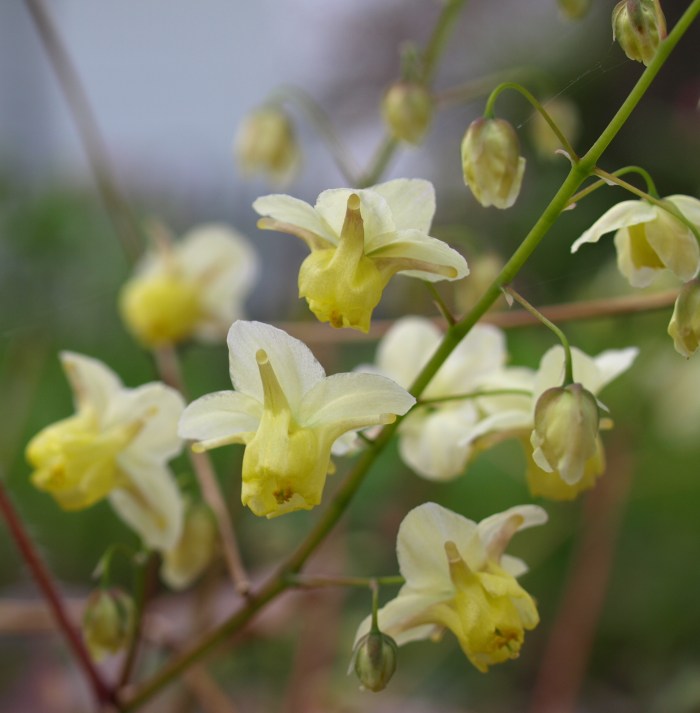
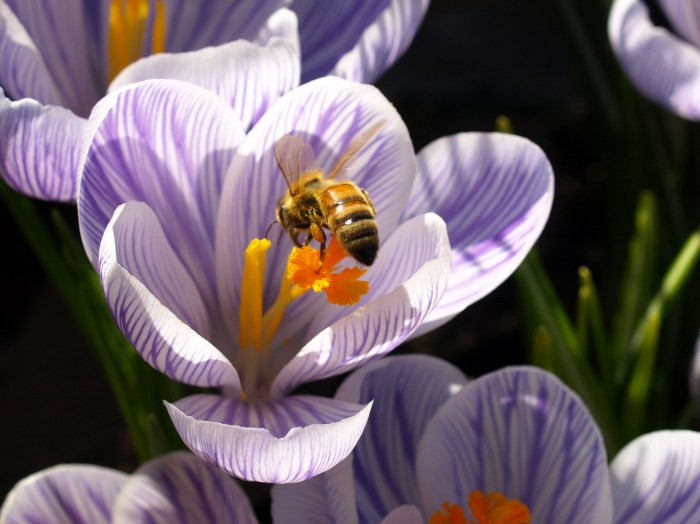
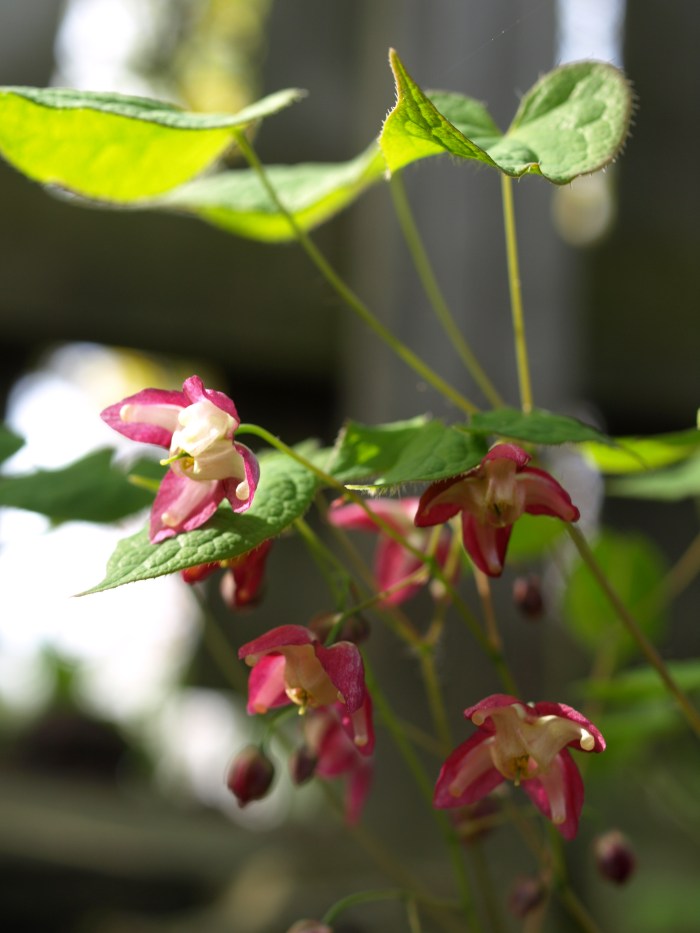
Not that it looks like this outside right now, but who can resist imagining what spring will look like when it really gets here in mid- to late-April?


A girl can be delusional, right?
Not that it looks like this outside right now, but who can resist imagining what spring will look like when it really gets here in mid- to late-April?
A girl can be delusional, right?
Spring is the most beautiful ugly I know.


When I was sick on Saturday, my boys brought home these.

Today I came home to these beauties waiting for me, for no special reason at all.

My guys make life wonderful. Simply wonderful.
Spring is a time for poetry. And so I share with you what I wrote this morning.
One Morning in March
It is March,
still winter,
and the white sky
seeks to remind us of it,
hunching low over the bare treetops
like a fog.
Yet this day we recall
that we did not
settle upon a glacier
or the icy moon Europa,
but upon earth.
Grass,
brown and bored,
peeks from beneath
the serrated grimaces of soiled snowbanks,
so reluctant to give any ground
to spring.
Traffic lanes and parking spots
we had forgotten
grow at the margins of this white world
like the black beaches of some volcanic island
still forming.
The wreckage
of the ice storm emerges
like an ancient ruined metropolis.
Oh, yes, we say,
I remember that storm.
Only the snow made me forget.
I pick up the keys
I dropped in the driveway—
the first dirt
to work its way under my fingernails
since November.
Inside
the dog’s muddy prints
on the kitchen floor
don’t raise my ire.
I don’t sigh and say, “Sasha!”
as I might have.
We shake ourselves awake
at the birds.
Birds.
That’s right, we say
in wonder.
There are birds.
Late Tuesday night, I happily typed the final words of the first draft of a novel that I began 65 days before. 92,615 words, averaging out to 1,425 per day, though if you’ve been following this blog, you probably know that I don’t write every single day, and I don’t even advocate writing daily (though, if that’s your thing, more power to you).
Beyond writing, I do work full time Monday through Friday; attend church and teach Sunday school on Sundays; take my son to karate on Mondays and Fridays; teach ESL and attend choir practice and Bible study on Wednesdays; commute halfway across the state on Thursdays; and make halfhearted attempts to keep up on housework (well, sometimes).
So how? How can someone with a full life still find the time to write the draft of a full length work of fiction in a little over 2 months?
I’m glad you asked. Because I bet you can do it too–if you want to.
First, spend an entire year thinking about, researching, and sketching a rough outline of the novel before writing anything. Go ahead and make notes of scenes or particular phrases or dialogue you think of, but don’t start the real writing until you are ready. Really ready. So ready that you can’t hold back any longer. I put this first not only because it comes first chronologically, but because it was so obviously the most critical factor for me this time around.
Second, build in some concentrated blocks of writing time. I probably could have managed most days to write something on my manuscript, but to write fast and in the moment, I needed to have a string of empty days where nothing was on my schedule except writing. That’s how I got momentum. I took one week of vacation at the very beginning and another six weeks later. More than 50,000 words were written in those two weeks alone–over half the book.
Third, write first. Write before you go to work, before you do the dishes at night, before you collapse in bed and binge on House of Cards. Put the writing first for this limited amount of time while you’re working hard to get that first draft done. Now I have the whole rest of the year to relax a bit and enjoy life more while I edit at a far more leisurely pace. But if you don’t put it first for awhile, it will always get pushed back down the priorities list until it’s the last thing you do with the dregs of your energy–or it may fall off entirely.
Fourth, resist getting bogged down. There were times, especially near the end, when I had to slow down and look at the big picture again before I could see the way forward. But if you stand still too long in the muck in the middle of your book, you may find that you’re cemented there. Leave it too long, and you might give up on it. Push forward whenever you can.
Fifth, eliminate your biggest distractions. TV? Facebook? Video games? Friends? They’re all crouching on the sidelines waiting to devour your time and brain cells. Do whatever it takes to control these distractions. Have a friend take your TV and your X-box for a while. Go Cold Turkey on time-sucking Internet sites. Have your mom dog-sit for a couple months. Schedule some special times with your friends for a few months from now so you have something to look forward to.
I want to stress that I didn’t set out to write this draft at breakneck speed. I was fully expecting it to take at least twice as long as it did. The speed happened because the story wanted so badly to be told after my copious research. It was all wound up inside my brain and once I let it go, there was no stopping it. But along the way I had ample opportunities for it to get derailed. And that’s where the last three pieces of advice come in.
You have to want it. And you have to be willing to sacrifice for it, if only for a time.
I’m a pretty firm believer that a person can do almost anything for set amount of time. When I was running a lot, I convinced myself to go further and run longer by forcing myself to “at least get to the end of this song” and then “at least get to the chorus of this next song” and then “at least go one more minute.”
Can you give yourself a time frame and tell yourself that you can write for “at least this one hour today” or “every day for just this next week” or “1000 words a day for just this one month?” If you can do that, push yourself a little harder. Give yourself a deadline. Then beat it.
In all of my writing life, from essays in school to writing back cover copy to writing a novel, I must admit that I have the most trouble with the endings. I’m a good starter. I love introductions, headlines that grab you, the set-up to a story. Maybe it’s the anticipation.
Middles are good too, though perhaps not as exciting to write. It’s in the middle where the evidence builds, the bricks are being laid, the meat of what you’re trying to say starts to come out. It’s where you build to your climax.
But I’m never quite happy with my endings. I’ve always felt that my conclusions to essays were the weakest part of them. I often struggle to find the right way to end back cover copy. With my short stories, knowing where to end was the toughest part.
This is probably why I was able to write 80,000 words of my current novel in the space of 8 weeks and now I’ve slowed to a crawl as I decide how best to bring it all home. By this time an outline can’t help me. What I wrote is far better than my original outline. Anyway, I have a clear idea of what I need to write. I just question whether the pace is working or if I’m leaving the reader hanging on anything.
Rather than press on ahead I’ve decided to take a small step back to look at the whole. I’m digitizing the entire manuscript and will listen to it this week before writing more. I would prefer to listen to it all in one day, but I have this thing called a job and a family, so I guess that’s out for the moment. One nice thing about this turn of events is that it will get me off my butt for a bit. I can listen to my text on my iPod while I do the laundry and hit the treadmill. (My intensive writing schedule has me feeling tremendously slouchy.)
So while I’d like nothing more than to post on here that the manuscript is done, it needs to cook a little longer. I guess it’s all part of the process.
And see, even now I don’t know how to end this post.
It is a grand day, everyone. The last day of another February. Tomorrow it will be March. Let that sink in for a moment.
While you shiver on this sunny, 0°F morning; while my arctic dog is rolling around in the snow like an idiot; while we shuffle through yet another day that feels like a science experiment gone awry–all that time we are moving closer, moment by moment, to March.
Yes, it will be largely a symbolic victory. The battle against seasonal affective disorder will continue and we still can’t see the grass, but we shall overcome the snow in the end.
The birds are already starting to sing the victory song. Can you hear them?

I know that our glorious three-day warm up is done and freezing temps are back, but the incredible wind today puts me in mind of this hopeful poem from Robert Frost…
To the Thawing Wind
Come with rain, O loud Southwester!
Bring the singer, bring the nester;
Give the buried flower a dream;
Make the settled snow-bank steam;
Find the brown beneath the white;
But whate’er you do to-night,
Bathe my window, make it flow,
Melt it as the ice will go;
Melt the glass and leave the sticks
Like a hermit’s crucifix;
Burst into my narrow stall;
Swing the picture on the wall;
Run the rattling pages o’er;
Scatter poems on the floor;
Turn the poet out of door.
My new writing goal is to finish the first draft by the first day of spring, March 20th. Think of it–we are just one month away from the equinox. Not that will mean anything for the weather…

Today I’m happy to introduce you to Susie Finkbeiner, a West Michigan writer to watch. We’ve traded blogs for the day, so after you read this, head on over to Susie’s blog for my apologetic for the most depressing month of the year.
Susie has a quick wit and a quirky sense of humor, but she’s not afraid to tackle difficult, emotional subjects. Her latest book, My Mother’s Chamomile, is available for purchase for both Kindle and paperback readers. And I love the story of how she came about the idea, which she’s going to share with you below.
* * * * * * * * * * * * * * * * * * * * * * * * * * * * * * * * * *
The first time I heard reference to chamomile tea, I was a little girl, listening to my mom read Peter Rabbit. After his wild romp through Mr. McGregor’s garden, Peter had an upset tummy and his mother gave him a dose of chamomile tea.
I thought for sure it was punishment for losing his jacket and shoes.
“One tablespoon to be taken at bedtime.”
That sounded like something I wanted to avoid. I would have preferred the bread and milk and blackberries that Peter’s sister got.
Years passed (I won’t tell you how many), and I still had a prejudice against chamomile. A few people told me that it was “nasty”. Based on my childhood imaginings, I believed them.
Chamomile seemed like the kind of thing die hard tea drinkers sipped with pinky fingers pointing to the heavens. And, I truly believed, that they only imbibed it because they thought they had to prove how die hard they were about herbs.
You know those herbal people. They are a rough and tumble crowd.
Then, a couple years ago, I started work on my second novel. Somehow, my characters were tea drinkers. Throughout the writing, I discovered that, not only did they drink it, they grew it.
They had a big old garden full of chamomile plants.
I’m sure Erin would concur, characters in novels often catch the author off guard.
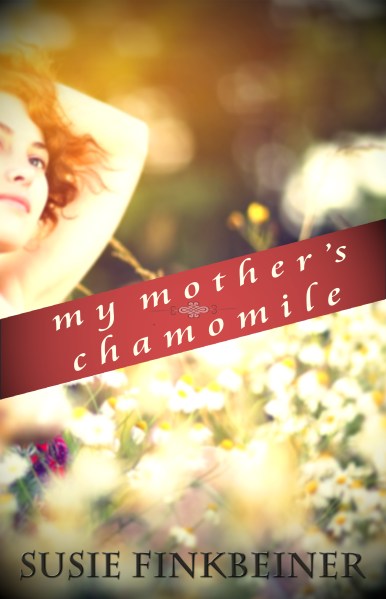
I decided that I might as well learn as much as I could about chamomile. Part of that was steeping a cup and taking a sip.
Much to my surprise, it had a pleasant aroma, much like sweet apples. And the flavor wasn’t as terrible as I’d expected. In fact, I rather liked it.
I sipped and read about the plant. While I researched, I found that the flower has been used for nearly 2,000 years to wash wounds, reduce inflammation, calm upset stomachs. It is, however, mostly used to comfort its drinkers, helping them to rest.
A lightbulb popped on over my head. In addition to being tea growing and sipping people, my characters were also a family of funeral directors. They made it their business to comfort their community in their worst moments.
Like chamomile, they served to soothe and calm.
These days, when I read Peter Rabbit to my kids, I smile at the mother giving her son a tablespoon of chamomile tea. Instead of punishment, it turned out to be merciful. A remedy for his overactive little body and sour stomach.
I wonder if she drank what was left over to soothe her nerves from having such a rambunctious bunny.
* * * * * * * * * * * * * * * * * * * * * * * * * * * * * * * * * *
Susie Finkbeiner is a wife and mother living in the beauty of West Michigan. When she’s not busy writing, she enjoys playing Scrabble with her husband, zoo trips with her kids, coffee dates with good friends, and quiet moments to read. Susie is the author of Paint Chips and My Mother’s Chamomile, both published by WhiteFire Publishing. She blogs at susiefinkbeiner.wordpress.com.
I wrote this post just a little over a year ago. Since that big writing weekend at Gun Lake, I’ve taken a few blocks of concentrated time off of work in order to write. The first week of this year I did this and managed to write over 13,000 words and the first five chapters of a new novel. And I felt pretty swell about that.
I managed to write here and there in the weeks following, ending up with twelve chapters and nearly 28,000 words by the first week of February. At this rate I thought maybe I could be done by Easter.
Then this past week I took another writing vacation that was capped with another weekend at Gun Lake. Two weeks of vacation already used up in February?! Why would I do such a thing? How foolish!
Actually, it’s not a big problem. One of the perks of staying with one company for twelve years is accumulated paid time off. So I’m not worried about needing more vacation time later in the year.
And you know what? I wrote more than 36,000 words this week and am now on chapter 29. That’s called momentum. Almost 65,000 words into a novel that I started just six weeks ago.
How did I manage it? I took control of my time. I directed my life instead of letting it direct me. And everyone, everyone can do that.
On Wednesday I’ll be guest blogging over at author Susie Finkbeiner’s blog. I’ll be talking about time. If you’re having trouble finding the time to create, whether you’re writing or quilting or painting or making music, I encourage you to check it out.
You’ve got 24 hours today. Are you going to set aside a few of them to do what you love?
 Erin Bartels
You must be logged in to post a comment.