
The Big Purge Begins
July has been an odd month around here. My eggplants aren’t growing (like, not at all since they were put in the ground), the biggest crop of mosquitoes in twenty years has hatched (yet I’ve escaped with nary a bite!), and a week or so ago I got a phone call out of the blue from someone who worked at a real estate office asking if I knew anyone in our neighborhood who was thinking of selling their house. Apparently, the housing stock in my quite desirable neighborhood is very low. Rather than wait for clients, this realtor was taking the initiative to find them.
It so happens I don’t know anyone who is wanting to sell. “What about you?” the man asked.
Well…
The truth of the matter is that we had a realtor give us an assessment two or three years ago that did not turn out terribly favorable. We bought our house in November 2005. When a realtor hears that, she gets a pained look on her face and says, “Ooo…” Lansing real estate hasn’t recovered as well or as quickly as some other cities and the comparables in our area (which seemed to be all she considered) didn’t allow her to get us a price point we could work with. So we figured we’d be here for the foreseeable future. Not that that’s bad. We love our house. Everyone loves our house. People walk in the door and they are compelled to comment on how cute or adorable or classy our house is.
But when we bought our house, we weren’t planning on having a child. The boy will soon outgrow his small bedroom, we live near a very busy street, and we live in the worst school system in the area. His particular elementary school is one of the best, but come to find out he can only go there through third grade as the school is being completely converted over to Chinese immersion and the contemporary students will go…I don’t know where. We had thought we could stay here until the boy was a sixth grader (despite the size of his bedroom). In June we found this was not the case and began fretting about what to do next.
Enter this random (or was it?) phone call.
Sure we would be disappointed by what this new realtor would say, we met and talked about the house. Unlike the previous realtor, this new guy took into consideration the substantial improvements we’ve made over a decade in our home — the new thirty-year roof, the renovated bathroom, the incredible landscaping, etc. And when he came back with the numbers we were pleasantly surprised. His recommended sale price was a full $20,000 higher than the old realtor’s recommendation a few years ago. Suddenly, moving to a different school system was a real option. We decided we will likely put the house on the market in the late spring next year.
And you know what that means: ten months of purging, cleaning, touching up paint, and getting every room ready to show well. It means getting rid of crap that has accumulated over a decade of living in one place. It means my recycling bin will be full every time it is put on the curb. It means lots of lists and projects and weekends with mom over helping me scrub and sort and sell. (My mother once moved house five times in less than four years, by herself, with two children under five. She is an expert.) I’ve already begun to ruthlessly go through my file drawers and bookshelves and magazines, and I have a detailed plan worked out to tackle every inch of the house over the coming months.
I’m not sure exactly which community around here we’ll end up in, but after ten years in one place — the longest I’ve lived somewhere since my childhood home on Lesperance Court — I’m excited about the prospect of finding the right house for our family of three in a great school system for our son. It will be difficult to leave such a beautiful home and yard, but a new place will be like a new canvas on which to design another beautiful home and yard, armed with the knowledge and experience we’ve gleaned from the past decade.
So beyond the usual fare of articles about writing and Michigan and pretty pictures, for the next year or so this space will be a place for me to share with you the odyssey of moving house.
My Garden’s Changing Palette
One of the things I have enjoyed over the past ten years as I have planted and transplanted my gardens is the challenge of getting blooms all season long and getting those blooms to “go” with one another. I haven’t always succeeded, but this year I’m seeing some lovely results from a decade of digging and trimming and watering.
In May, the gardens have a decisively purple tone.
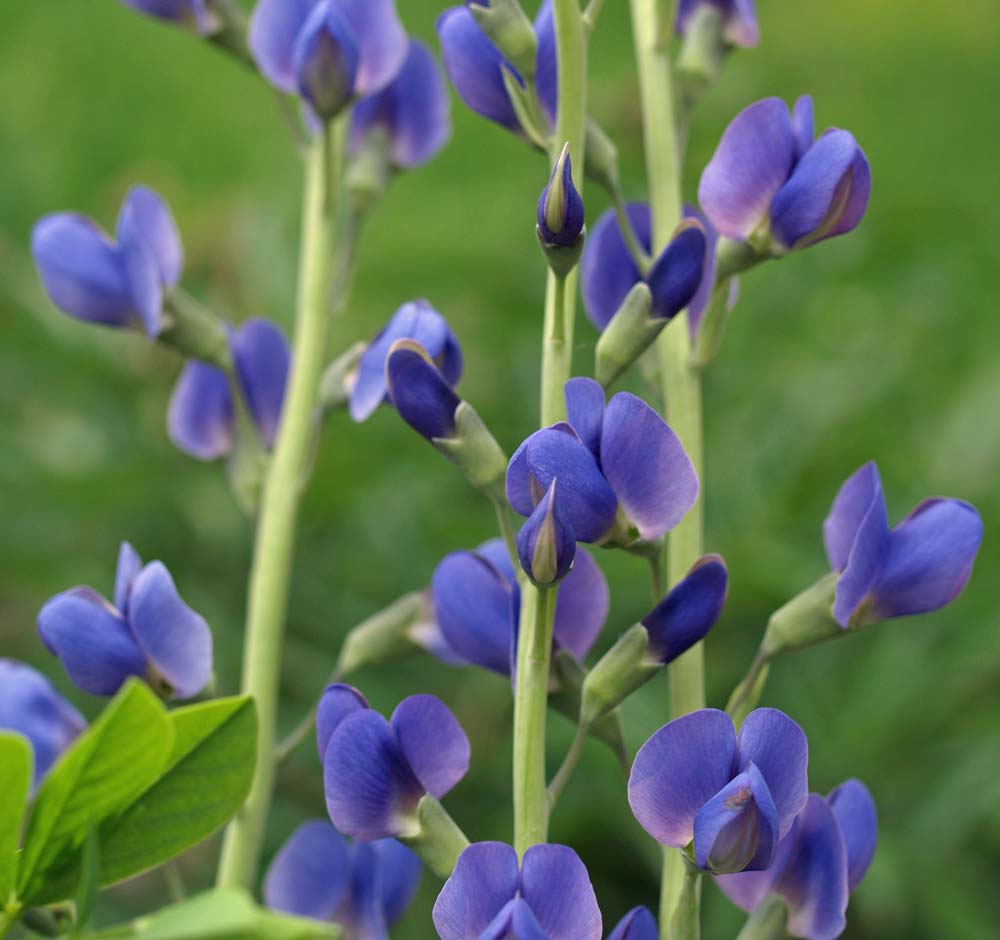

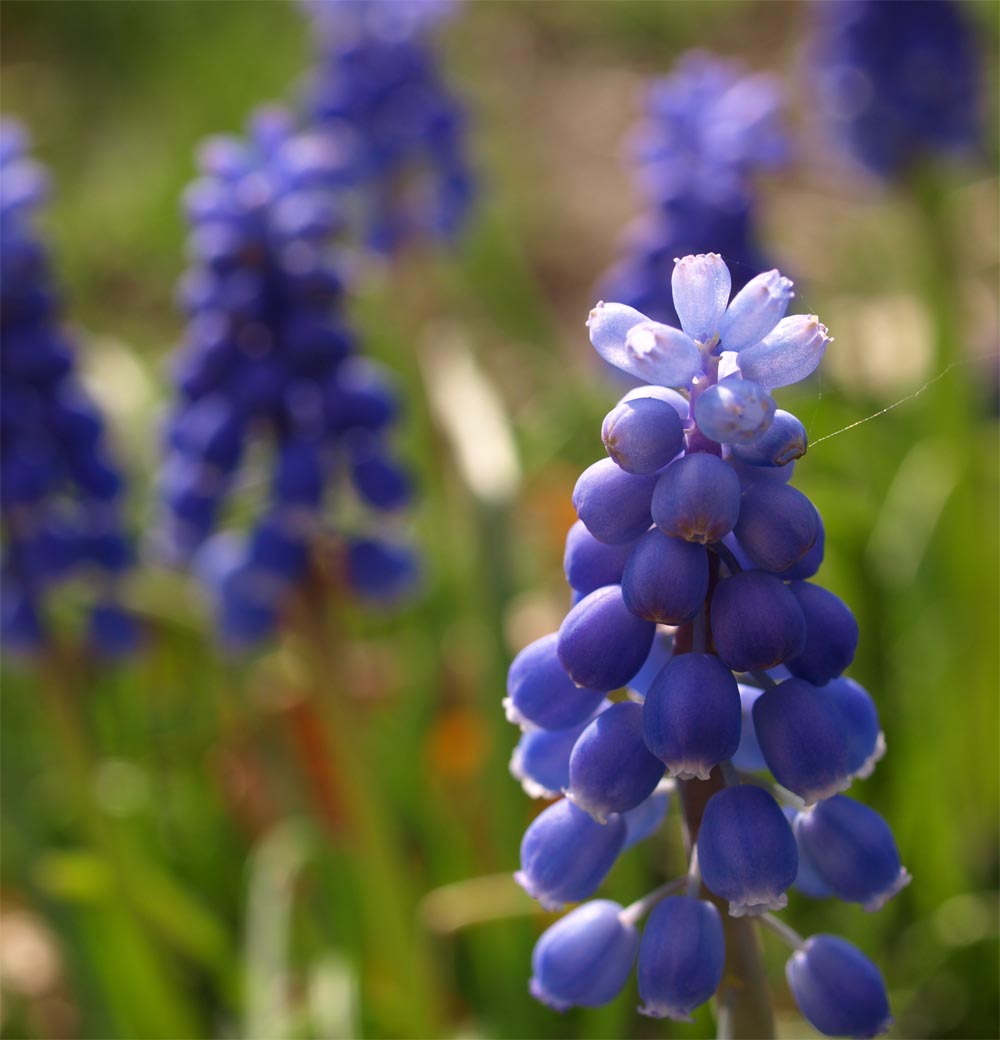

In June, purple gives way to mostly pink.
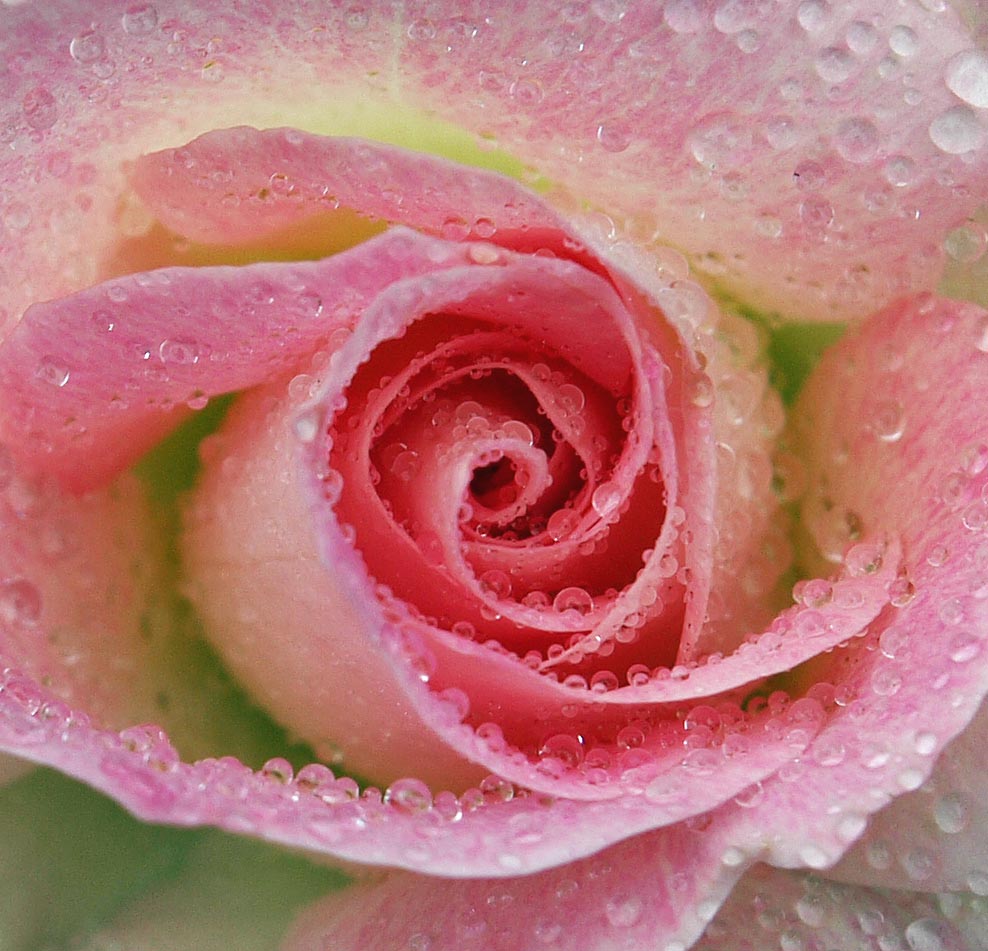

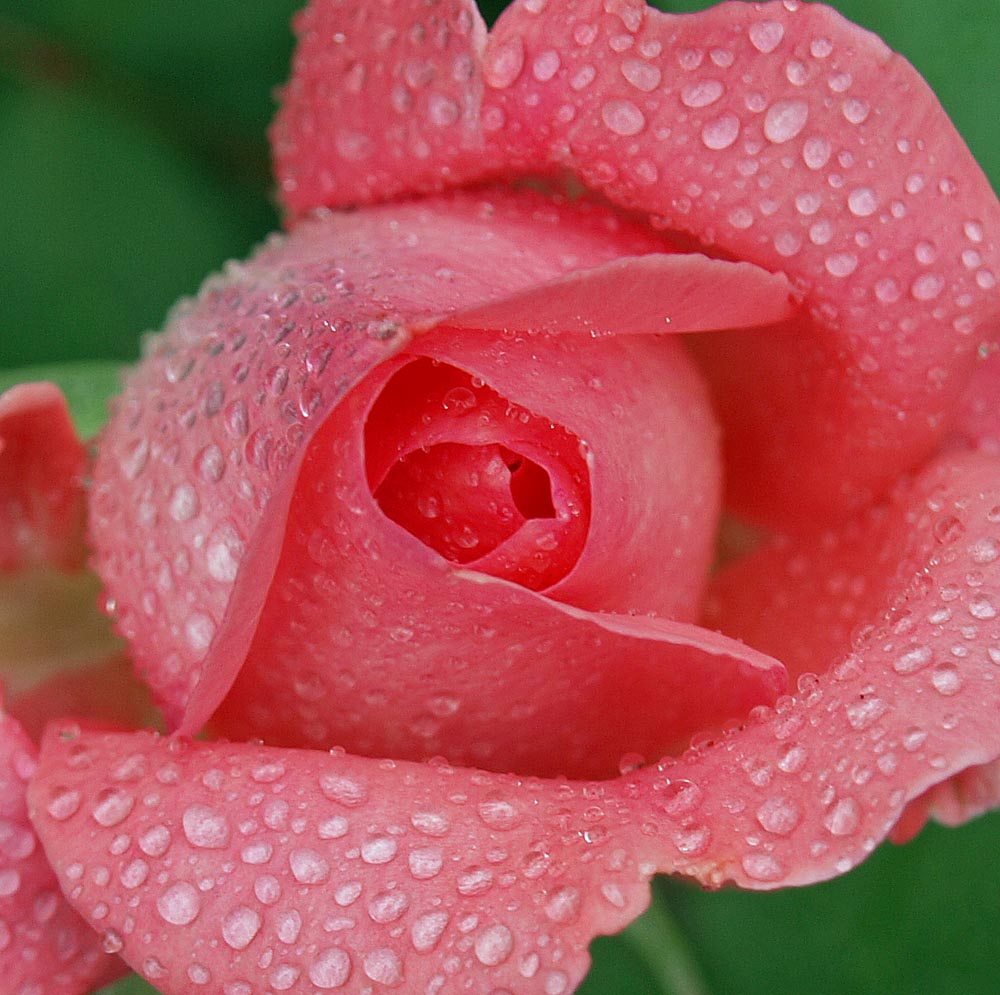
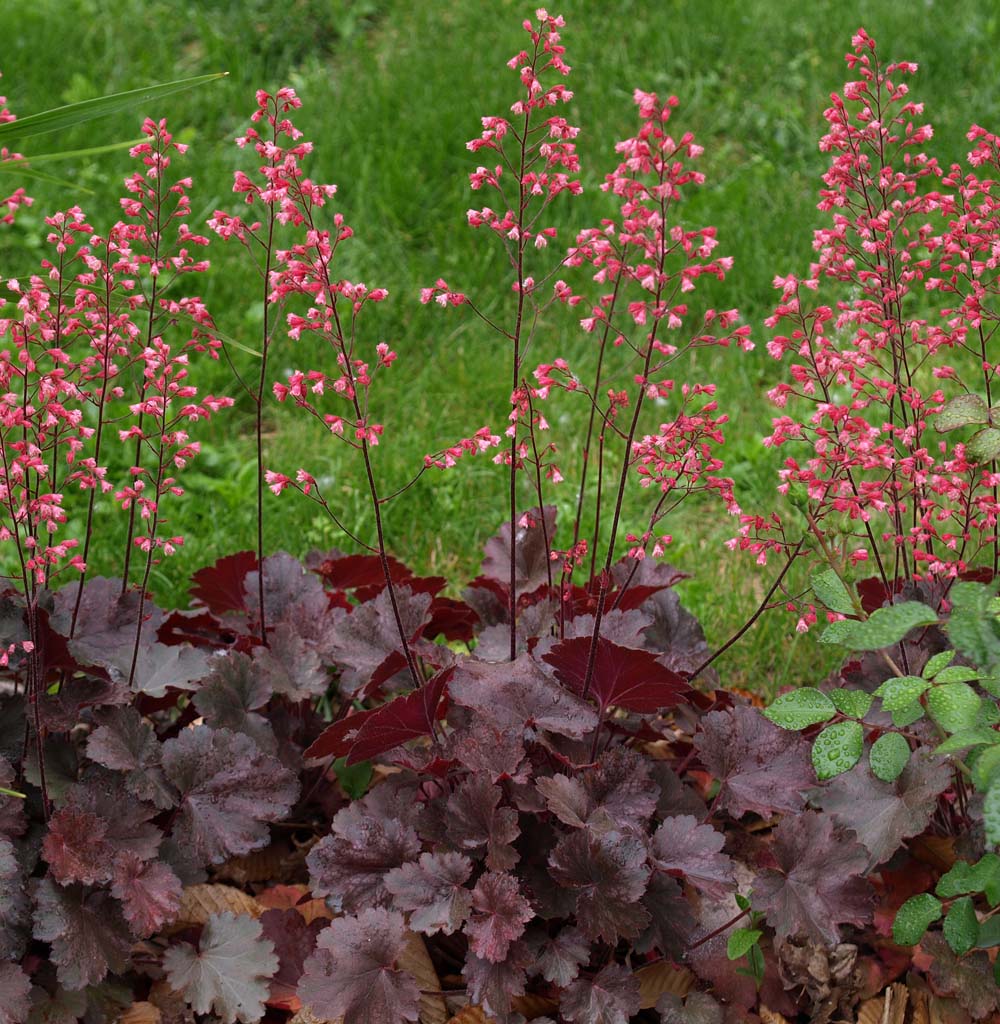


In July, many blooms fade and foliage takes center stage.

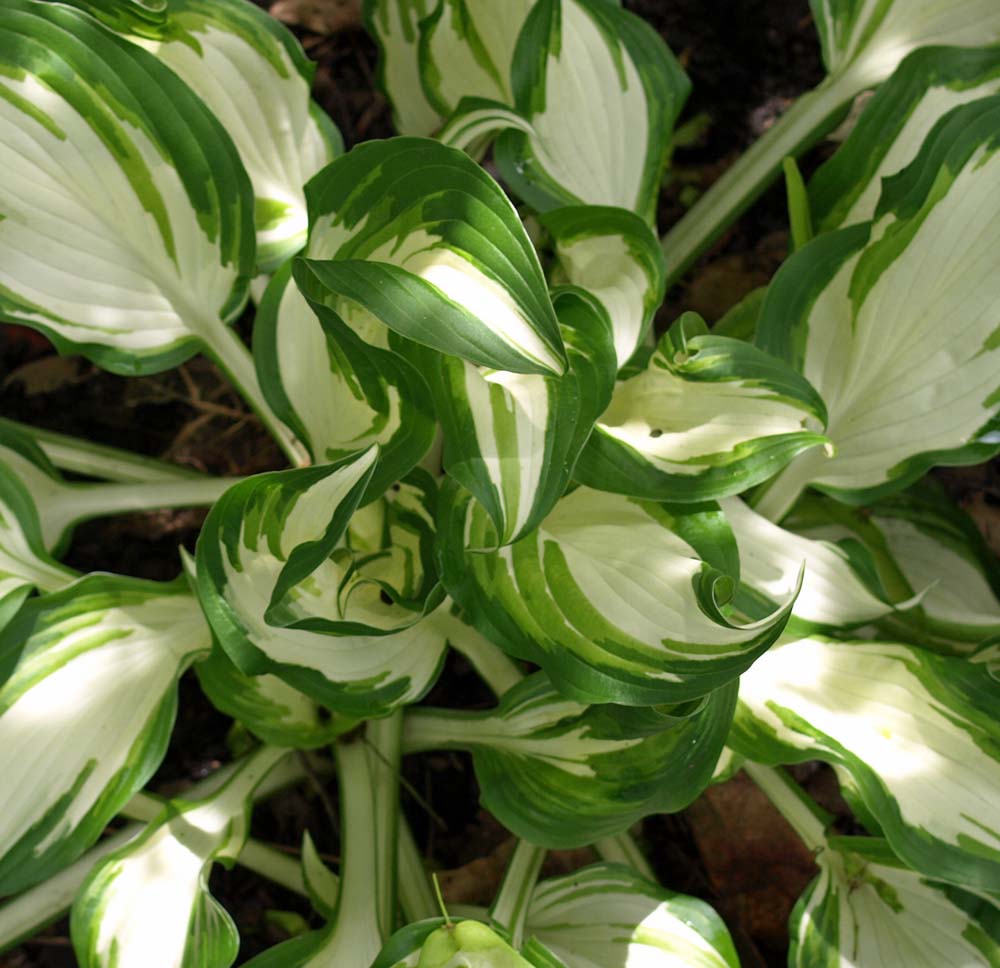

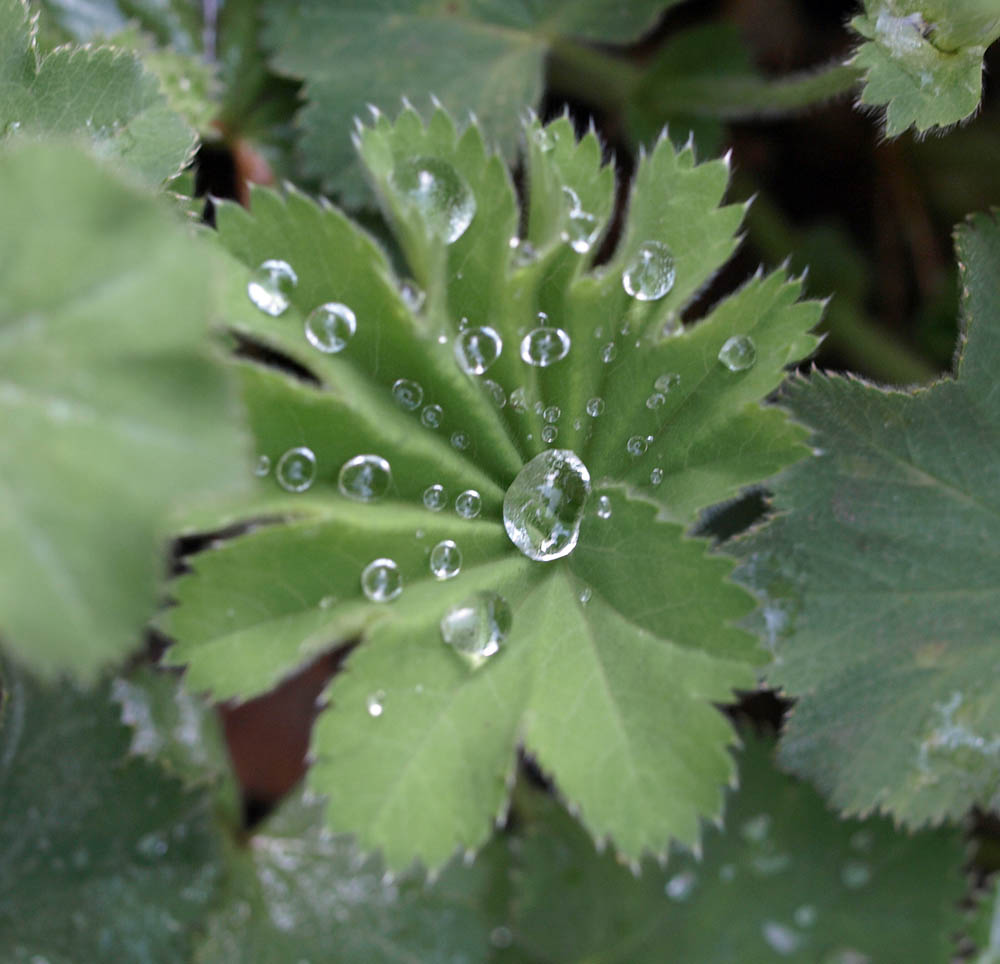

And in August, things warm up with reds, oranges, and yellows.
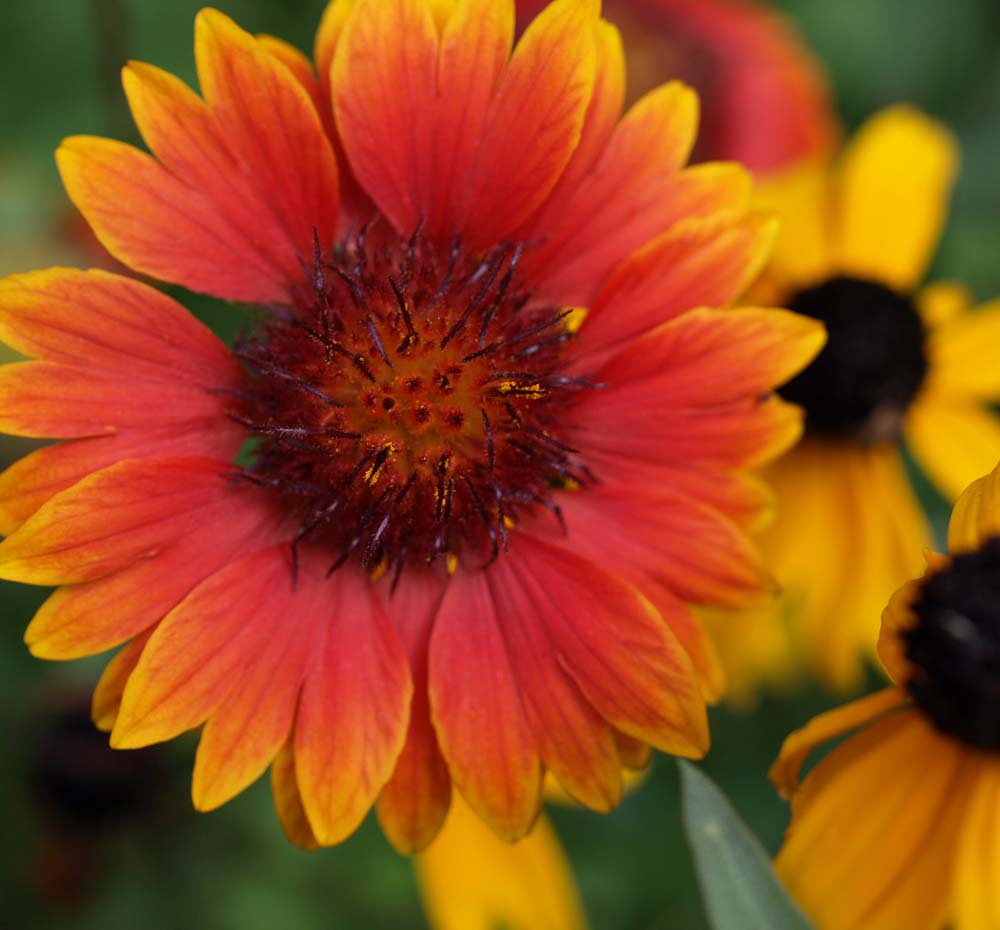

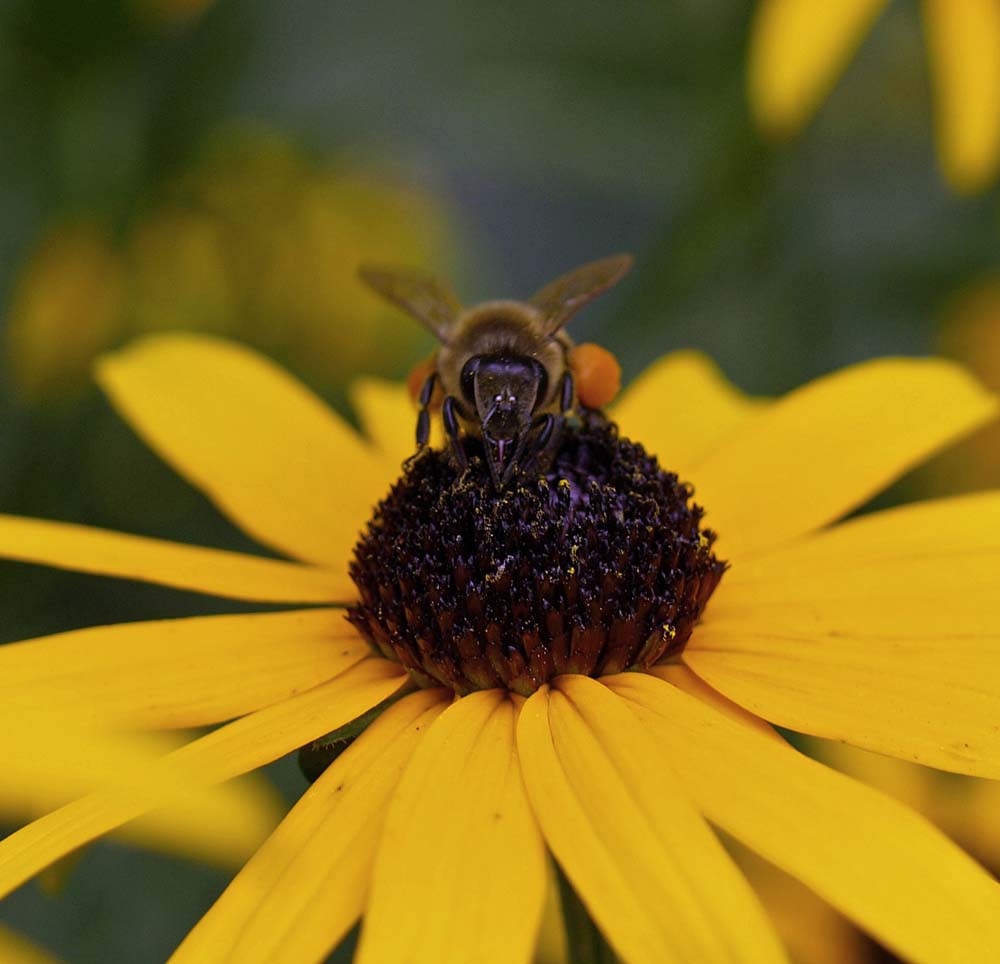
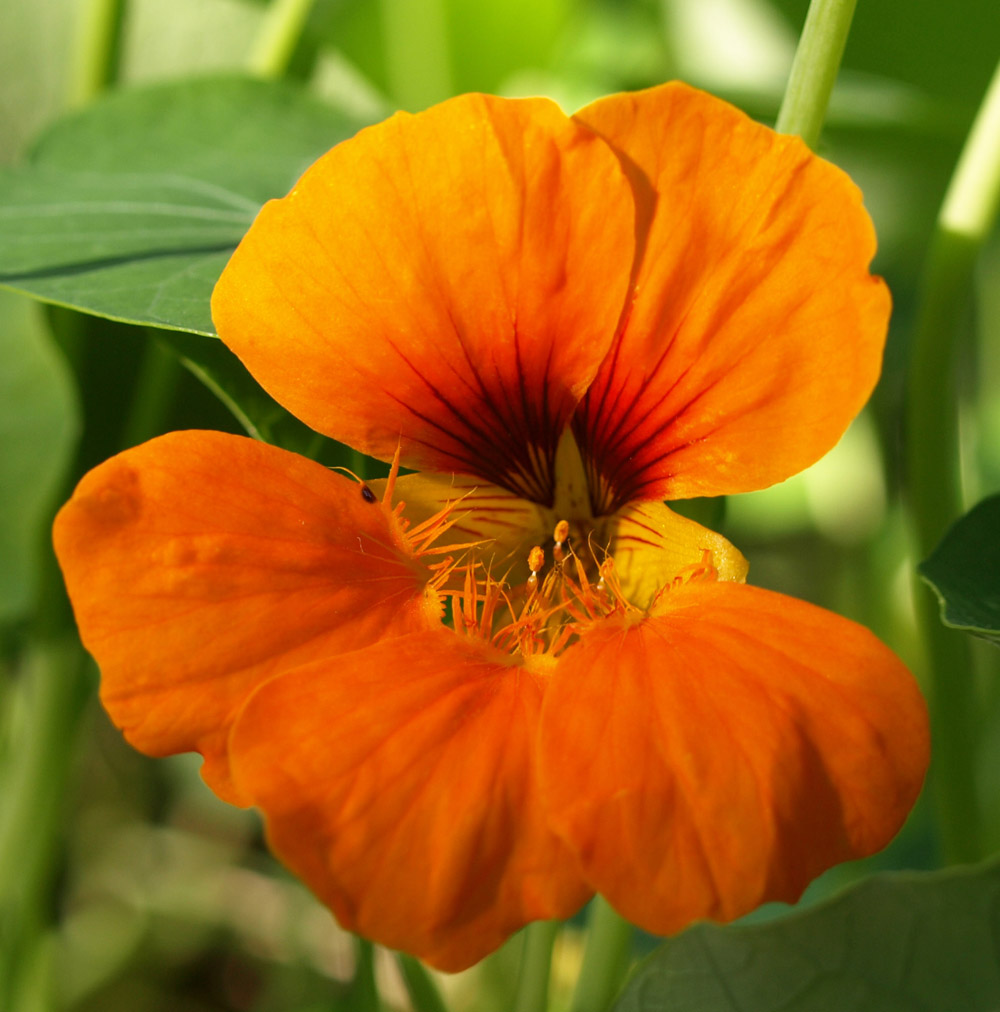
There’s always something beautiful around me. It’s taken (and continues to take) a lot of hard work, but it’s worth it.
Summer canning has begun…
Canning has begun in earnest. The pantry shelves are bare and Michigan’s bounteous fruit crops are coming in.
Ten jars of strawberry jam, ten jars of currant jelly, seven jars of strawberry lemon marmalade.

And leftover strawberries for dipping in sugar and eating.

Cherries, blueberries, and mulberries will fill out the rest of July, then blackberries, raspberries, peaches, tomatoes, and peppers in August and September, and apples and pears in September and October. I’ll be trying out my new pressure canner as well for things like beans and whole fruit I couldn’t do with a water bath.
Last year I hardly canned at all and was forced to buy store-bought raspberry jam. Ew. I’ve been too spoiled with homemade to ever really enjoy that stuff again.
Goodbye, Glorious June
Sunday afternoon I took in the last bits of June at Fenner Nature Center’s restored native grassland area. I strolled among innumerable flowers, bees, butterflies, dragonflies, and a few mosquitoes (They’re finally here. Hooray.) and listened to birds trilling and wings buzzing. It was the perfect summer day — the one we remember from childhood — with blue skies and time stretched out in all directions.


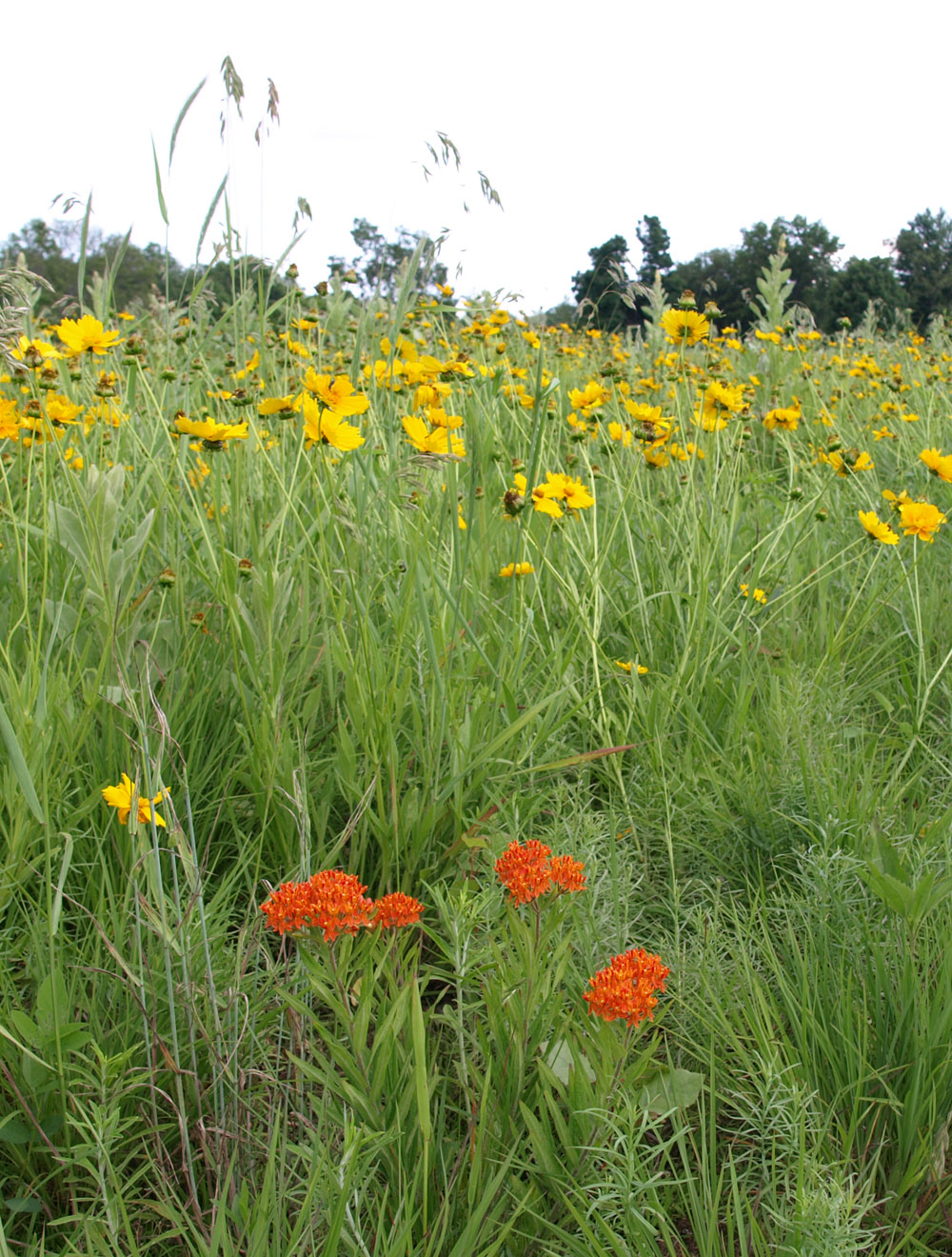

About halfway through the afternoon I was joined by a friend who seemed content with my company for a while.
We eventually went our separate ways, I to the pond to look for frogs and turtles, she to another patch of grass.
It was a lovely time away from people and the Internet, though I was disappointed that I could still hear traffic and some kids screaming in a nearby backyard. It has me looking forward to quiet July mornings on Lake Louise before the campers drag themselves out of bed and hiking through Pigeon River Country State Forest in October with my sister.
I asked my husband if he ever feels the pull to be completely away from people and all people-related things. He never has that he can recall. If I don’t get that kind of alone time in the natural world, I start getting anxious. We are both reluctant suburbanites. He would prefer to live in a high rise in New York or Chicago or Boston. I’d prefer to live in a log cabin on a remote island off the shore of Lake Superior. The day after I shot these pictures, he and our son spent an impromptu day in downtown Detroit, riding the People Mover and checking out the skyscrapers.
When I think about it, this is practically the only difference between us anymore. We’ll have been together 20 years this October (since I was fifteen), and in that time we’ve grown up and into one another so that we really are one, as we should be. Our culture so prizes individuality that I think this notion is rather quaint these days. But when it works, there’s nothing better.

How Far We Haven’t Come
Remember how I was so pleased in my last post to be able to work on something new? Well my brain swiftly switched gears back to something old. Something incomplete. Something festering.
Back on December 10, 2013, I wrote a blog post entitled Adventures in Shameful American History that discussed a number of cultural and historical realities I was struggling with as I completed research for a novel I was writing called The Bone Garden. It was before the deaths of Michael Brown and Eric Garner and Freddie Gray, before the unrest in Ferguson and the riots in Baltimore, before the massacre in Charleston.
In January and February of 2014, I wrote the first draft of a novel that turned out to be frighteningly timely. It traces the race relations within several generations of one white family, from auspicious beginnings as participants in the Underground Railroad, to a mixed bag of love and hate during the Civil Rights era, to a new reconciliation in the modern time. For the next year, I worked hard on that novel, revising it multiple times, editing it to a high gloss. But there was always a problem with the modern-day timeline. I fixed some of it, but it still never felt quite right to me. It wasn’t as good as it could be. Compared to the other two timelines, it seemed…too easy.
The day after the shooting in Charleston, I attended a prayer vigil at Union Missionary Baptist Church in Lansing, Michigan. The crowd was relatively small in number but great in spirit. There were mostly African American worshipers, but a fair number of white worshipers as well. The Spirit was moving and pain was released and anger was expressed and sorrow was felt. It was deeply emotional and raw.
Growing up in a white small town in the Lutheran church, I had never been part of a service quite like that before. I’m a Baptist since I married a Baptist pastor, but it’s not a “shoutin’ church,” if you know what I mean. It’s not a charismatic congregation. It’s pretty tame. But I have been privileged to join together with other churches in the city every year, usually during Holy Week, to worship together. Stiff white Methodists and shouting black Baptists and proper Presbyterians and calm Congregationalists, all worshiping together. These have been some of my most memorable times in the house of God.
Even so, this prayer vigil was qualitatively different. It was a lament.
I drove away from that service with a heart that was still heavy. Yes, I believed God would give comfort to the bereaved. But it still happened. There was still a terrible racist person who murdered nine people, including some in their seventies and eighties, for no reason other than his idiotic, misguided, backward, reprehensible beliefs. Beliefs that were taught. And are taught. All over the place. Still.
And I realized what bothered me about the modern-day storyline of The Bone Garden. It wasn’t true. Fiction — good fiction — tells the truth. And I wasn’t doing that. I wanted my modern day white characters to be better than their fictional predecessors. But they aren’t. Yes, some are more understanding and more accepting and more loving. But others are not. They cannot be. Because Dylann Roof exists. Thousands of Dylann Roofs exist, and more of them are being trained up every day. And I do a disservice to the truth to ignore that when writing this story.
So I’m back at it, working hard to make things real. No matter how difficult it is for us to stomach. We look back at our parents’ generation and think that we are better than them. We would never support segregation or turn the other way when peaceful marchers were set upon by dogs and attacked with fire hoses. We would never have let 100 years pass between the Emancipation Proclamation and Selma.
But is that the truth? Obviously not. That Confederate flag flying high in South Carolina? It’s not down yet.
The Beauty of “The End”
Almost four months ago to the day, I wrote this post about my rather unsatisfying writing vacation at Gun Lake, where I had hoped to finish a good first draft of my current WIP, but only succeeded in getting lots of words down on the page that I knew I’d have to fix later. I’ve been picking away at it on and off since then, adding layers and altering plot lines and deepening characters. And I am happy to be able to say that it is now ready for my first beta readers’ critiques. It feels so good to not only have it finished, but to be happy with it. I’m not truly done, of course. Once I get feedback from a few readers I’ll have plenty to edit. But the first big hurdle — writing the dang thing — has been cleared.
In reaching The End, there is a loosening of something that had been wound tight in my chest, a liberating sensation that I am now free to work on a new story, one that has been forming in my mind for weeks, like a flock of birds ahead of winter’s snows. After all, The End is really just the beginning of something new…
When Life Hands You Synergy…
There was a semester in college when I had three classes that all lined up nicely in my brain and enhanced each other. I can’t remember now their exact names, but I know there was at least one history course, one English course, and something else. The stars aligned and nearly everything we talked about in one class helped my understanding in another. I felt very well-rounded during those few months.
This kind of synergy can happen in work, home, the books you’re reading, the news cycle. You can arrange it or let it be serendipitous, as it was for me just recently. It began with this book, which I read in April:

I’ve been an amateur naturalist, a conservationist, and an environmentalist since childhood, probably due to the large numbers of National Geographic nature documentaries I watched…
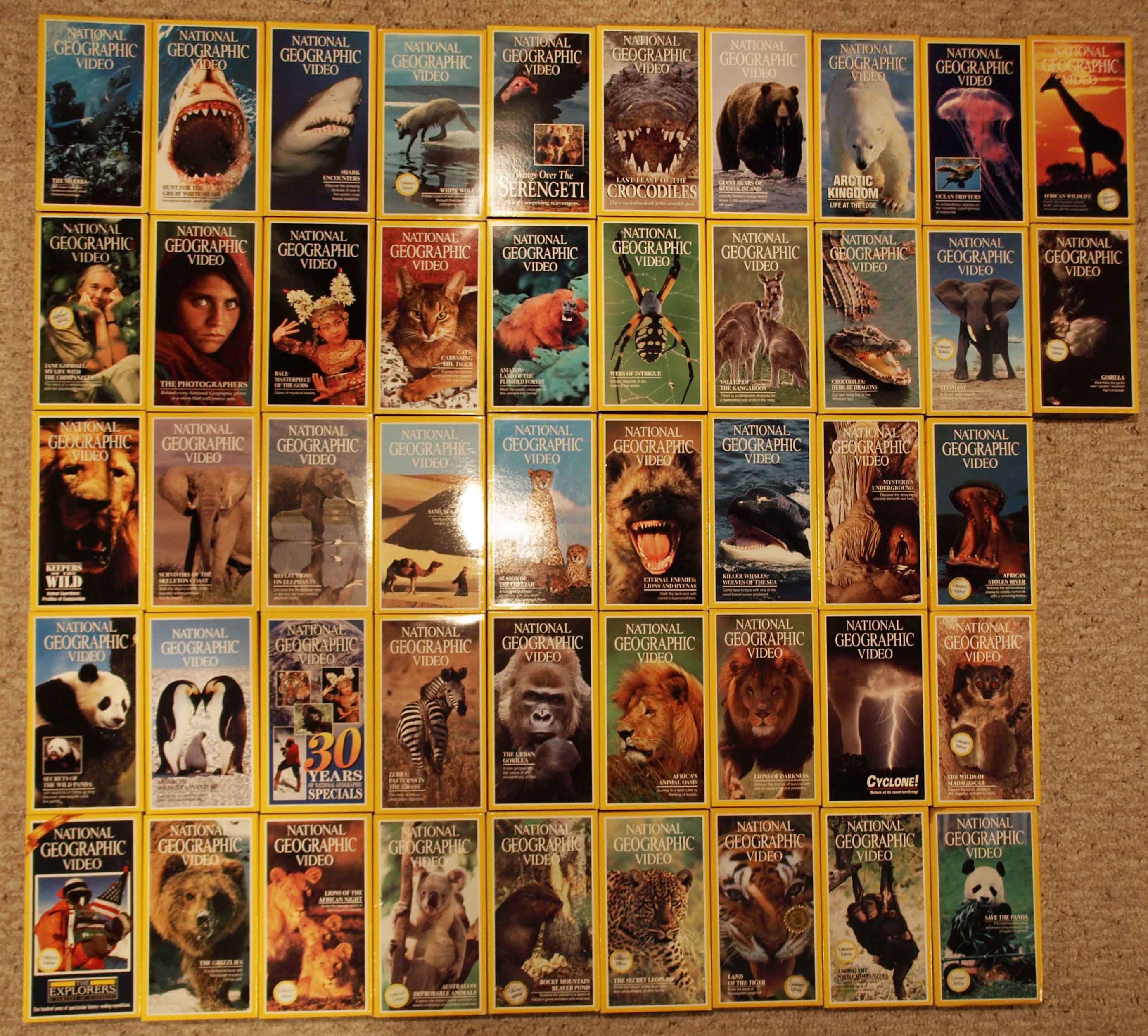
and the books I read, which all heavily featured animals, environments under pressure, or simply a deep connection to a particular place…

I’ve been keenly interested in the Christian environmental movement, which bases its conservation philosophy on the understanding that the Earth was placed in humankind’s care and stewardship and that we have a mandate to protect it and utilize its resources thoughtfully. I’ve always been troubled by the disconnect in the secular outlook toward environmentalism because it is fundamentally illogical. If evolution and natural selection are simply natural processes disconnected from morality, there’s no real reason for humans, the most evolved, to protect the weaker species or the endangered species because that’s simply the way the world is evolving. But if everything we see in the natural world was created, declared good, and given into our care, environmentalism and conservation make sense — and must be taken seriously by those who would call themselves Christians.
What’s helpful about Introducing Evangelical Ecotheology is that the authors root their arguments not just in Genesis but in many other parts of Scripture, in systematic theology, and in history, and then they follow through into the very practical implications of praxis. They do not take up the evolution debate at all. They do not pit science and religion against one another. They don’t waste time arguing about things that, while they matter, cause division that leads to inaction. While I didn’t always agree with everything the authors said, they didn’t always agree with each other either. And yet, disagreement in some matters should not cause us to sit in our corners and not act on one of the fundamental crises of our time.
I thought the most important part of this book was the distinction the authors made between talking about the natural world as a subject and talking about it as an object. Making that little semantic shift in our thinking and speaking about our environment has enormous implications. Seeing trees and animals and wetlands and resources as subjects rather than objects puts them not simply at our disposal, to do with what we will, but in our care, which is where they should be. It means they matter in and of themselves, not just in relation to humans. So a tree is good as a tree itself, not just in how we can use it for our own convenience. A bird or a snake or a bee is valuable in and of itself, not just in relation to us. And every thing in the natural world can point us toward the One who designed it. It’s not just there for us to use, it’s there to instruct us and cause us to glorify its Creator.
They also presented the ecological crisis as a moral issue, which it is but which many Christians sweep under the rug as they debate about other things that have less to do with their everyday actions (in other words, it’s easier and more fun to argue about others’ morality rather than face one’s own role in the destruction of God’s creation).
As I was finishing up Introducing Evangelical Ecotheology in May, I began reading Madeline L’Engle’s first book in her Crosswicks Journal series, A Circle of Quiet.

I had never read her nonfiction before and I was experiencing a period of mild despair over where my work was going (or not going) and so I picked this up to read about another writer’s struggles and insights. I’m so glad I did. In L’Engle’s need for nature and solitude, I saw my own. In her struggles to reconcile with a culture that was changing and a world that was under duress, I saw some of my own struggles. In her dark times as a writer with something to say but no platform from which to say it, I felt comforted.
In the pages of A Circle of Quiet was the personal end of some of the ideas I found in Introducing Evangelical Ecotheology. Simplicity. Family. Domesticity. Introspection. And as I was reading both books I was busy planting my vegetable garden, weeding the flowerbeds, trimming the dead wood off trees and shrubs — doing my part to keep my corner of the world clean and beautiful and productive and chemical-free.
This spring has felt good. And it’s beyond the combination of beautiful weather and almost no mosquitoes. It’s slowing down, lightening up, centering myself on what matters, trusting God to bring me through my small frustrations, considering others — other people, other living things — and doing what I can to lighten their burden. It’s puzzle pieces interlocking. It’s divine synergy. And I like it.
And Spring Slips into Summer

Have you ever told yourself you’d change and then actually done it? This weekend I really lived my new “to-be list” philosophy. I did do a lot, but I never made a list of things to accomplish and then checked it off, item by item. With everything I did, I felt no rush, no pressing need to do it now, no guilt in the doing or the not doing.
I spent time with my son at Van Atta’s Greenhouse and Nursery, I mowed and transplanted and weeded, I filled a dozen or more pots with annuals, I managed to keep the kitchen pretty clean. Saturday morning, Zach and I were talking about finally putting in a new fire pit sometime this summer. By afternoon, it was there! Suddenly we were roasting hot dogs and marshmallows in the backyard.
On Monday, the boy and I went downtown to visit the various war memorials and monuments and statues, and to check out the “fuzzy” Capitol building (the dome is currently covered with scaffolding as they do maintenance of some sort). We were practically the only ones downtown. We talked of war and sacrifice and men and women who served. We talked about how our state became the Arsenal of Democracy, turning auto factories into factories that made munitions and tanks and Army vehicles; how women built the machinery and the ammunition that finally subjugated the axis powers in WWII; how some wars must be fought and some do not make a lot of sense; how some people come home heroes, some come home to sneers and derision, and some never come home at all. We talked about men in our family who fought and those whose number never came up.
The wind was gusting and it started to rain on us. By the time we were home again the sun was out. We watched Charlotte’s Web for the second time in two days, and now the boy is a spider (with just four legs) who gives spider hugs and spider kisses and makes his webs out of the pile of dirty laundry his father gathered at the bottom of the stairs.
In the coming days we will celebrate the boy’s seventh birthday, his class will take a field trip to the zoo, we’ll take him to his first Brandi Carlile concert (shh–it’s a surprise), he’ll have a birthday party at the park with his friends, and we’ll celebrate with some family the next day.
May is always a big month here.
But I’m not sweating it. I’m loving every minute of it.
Trading “To-Do” for “To-Be” in this Busy Life

Lately I’ve felt there is simply too much input streaming into my life. Too many emails (even though I signed up for updates on these blogs and already weeded out the ones I just don’t care that much about). Too much junk mail in my mailbox (I’ve considered whether I should simply replace the mailbox with our recycling bin). Too many newsletters and flyers from my son’s school each week (can I unsubscribe, please?). Too many posts in too many groups on too many social media platforms (although, again, I choose to participate and I’m not planning on quitting).
Beyond school ending in a few weeks . . . oh, I’m back. I passed out there for a minute. Beyond that, there’s no end in sight. And for someone who enjoys silence, requires a certain amount of unstructured solitude, and gets a cheap thrill out of eliminating expired condiments from the fridge, I’m not really sure how to deal with it all. I have too much to read and do and it is crowding out what I really want to read and do. What I really want is a sabbatical. What I’ve really got is a normal life like everyone else.
So, what to do? It’s time again to take stock of how I’m spending my time and make conscious decisions about whether I’m really using my time wisely and purposefully. I want to enjoy time with family, to spend time tending my garden, to read for pleasure and read for research, to finish revising one novel so I can begin to write another, to eat delicious home-prepared food, to be still and commune with my Creator, to do my work with enthusiasm and passion, to keep my house clean enough so that it doesn’t clutter my mind.
I’m really good at making to-do lists. I have to recover that chair, weed the south flowerbed, make that ninja costume for my son, water those plants, sew a red skirt, vacuum that floor, sow those bean seeds, write that copy, finish that chapter, sweep up those maple seeds, sort that laundry, get that dead bird out of the garage…I could continue ad nauseam.
But somehow I feel that I might be better served by making a to-be list at this point in life…
To Be:
A loving wife and mother
An obedient child of God
An exemplary worker
A thoughtful writer
A collector of ideas and impressions
A decent housekeeper
A reader of good books
A passable guitarist
A lover of nature
A protector of creative time
All of those sound pretty doable to me. And reading them doesn’t stress me out. I can do those, whether they happen in increments or in concentrated bursts or slowly over time or whatever.
What would you have on your to-be list?
 Erin Bartels

You must be logged in to post a comment.