

This tiny person will turn six in a little over a month. How is this possible?
This tiny person will turn six in a little over a month. How is this possible?
Here’s what I was sporting this Easter in the SEVENTY-TWO DEGREE weather! It’s Butterick 6582, a vintage reproduction pattern. The linen-look fabric was snapped up at Jo-Ann’s with a Christmas gift card back in January (many thanks to Zachary’s grandmother for that). The sash was just something I threw together in lieu of a self-fabric belt.

It was a beautiful day in all ways: weather, music, message, baptisms, and friends old and new joining the church.

My photographers didn’t get the bottom to show the length, but pretty close. This is my handsome husband/pastor.

The boy looked especially handsome, I think. As we were walking out the door in the morning, he announced to us that “We’re an Easter egg family.”
This is what mid-April looks like…
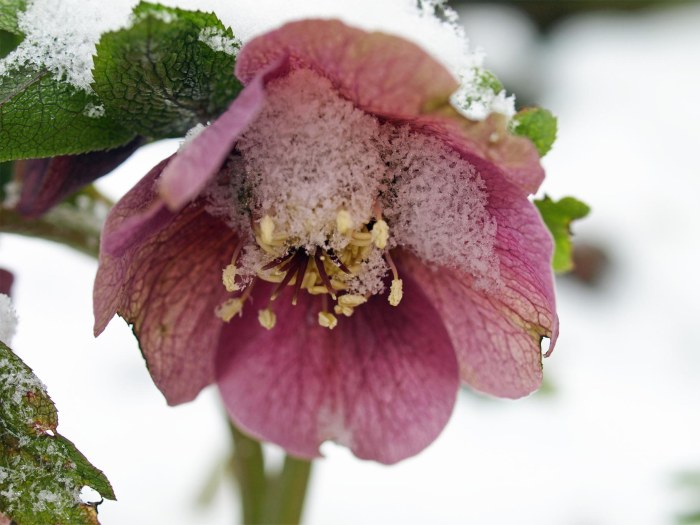
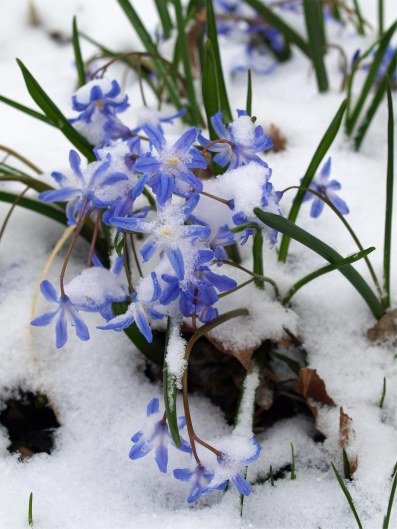
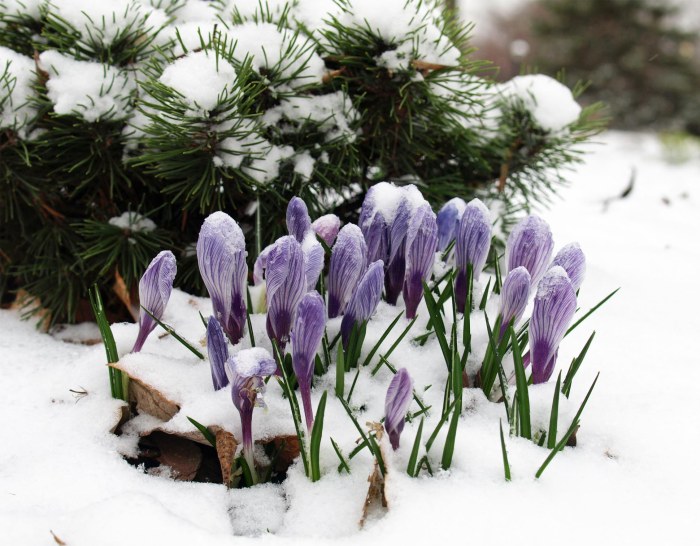
But don’t despair, Michiganders, because Easter is supposed to be 50 degrees and sunny (well, for us Trolls, anyway…you Yoopers can despair all you like because I’m pretty sure you won’t have any daffodils yet).
Ten days and no posts? Unheard of. So you know I’m busy. I’m busy with work, spring break, editing, writing. And I’m busy making a new dress for Easter. It’s going to be big.

Big skirt. Big flowers. Big color.

And it’s kind of a big deal to me since it’s been two years since I made a new Easter dress (last year I wore one I’d made previously for no particular occasion).

And it’s been simply too long in general since I sewed anything. I think I needed a bit of a break after I sewed all of this in 2012:

But break’s over. Time to get busy.
Not that it looks like this outside right now, but who can resist imagining what spring will look like when it really gets here in mid- to late-April?
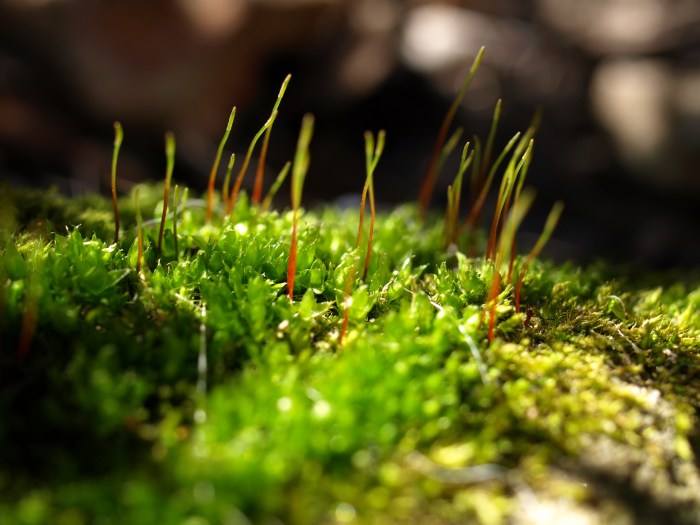
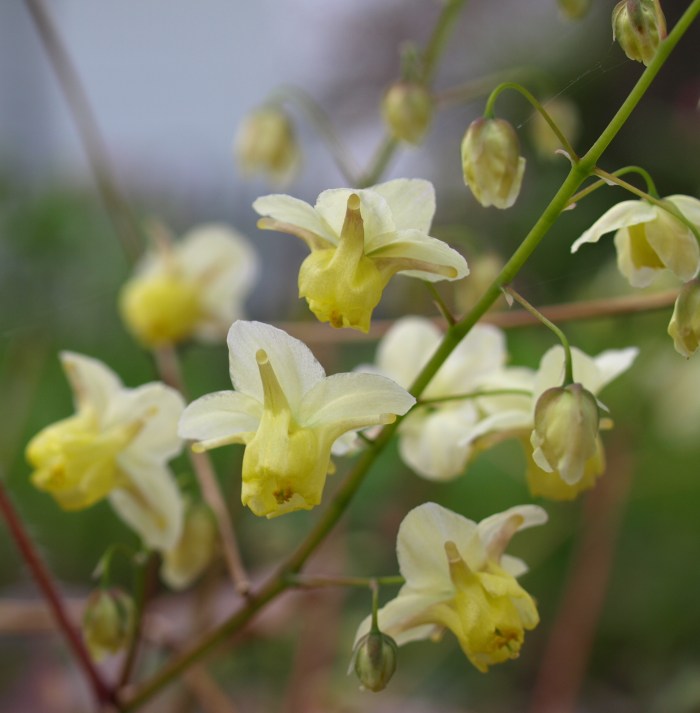
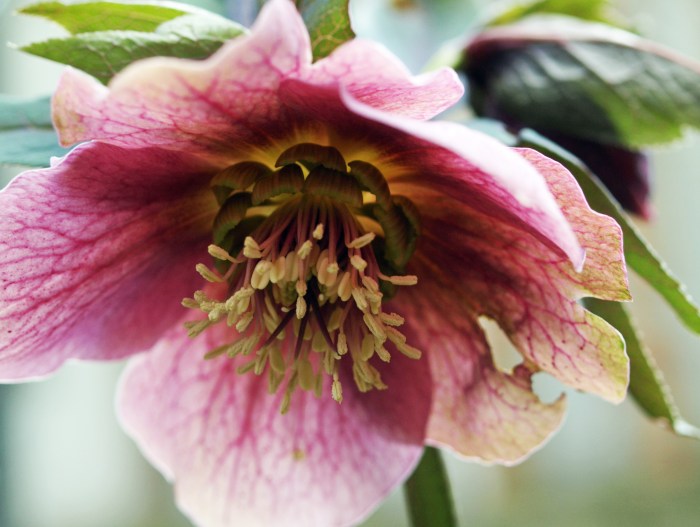
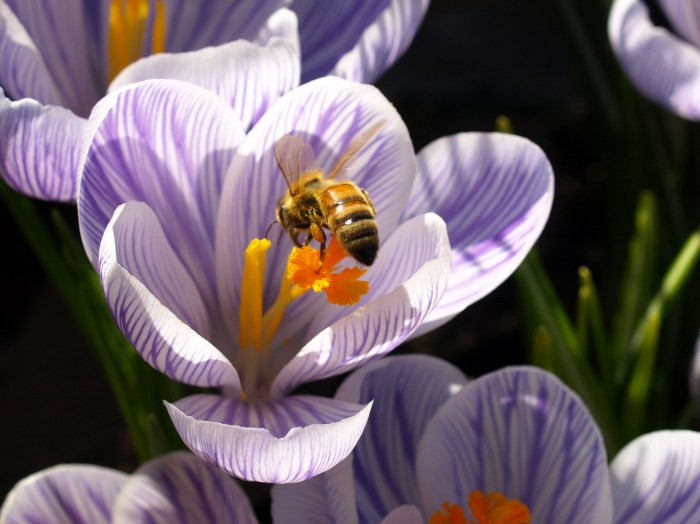
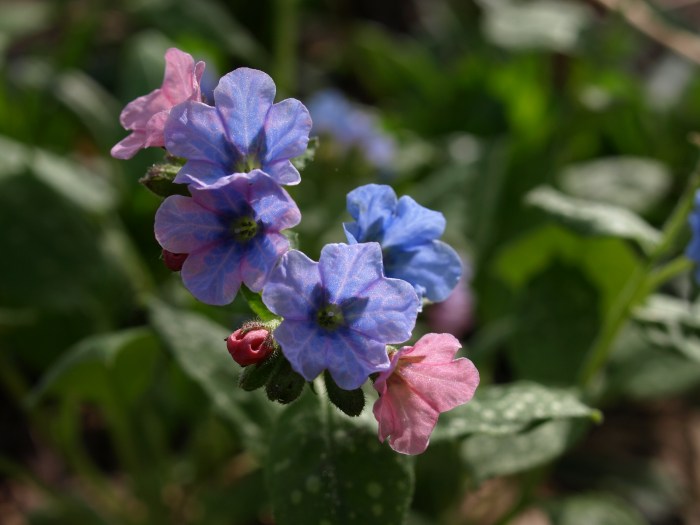
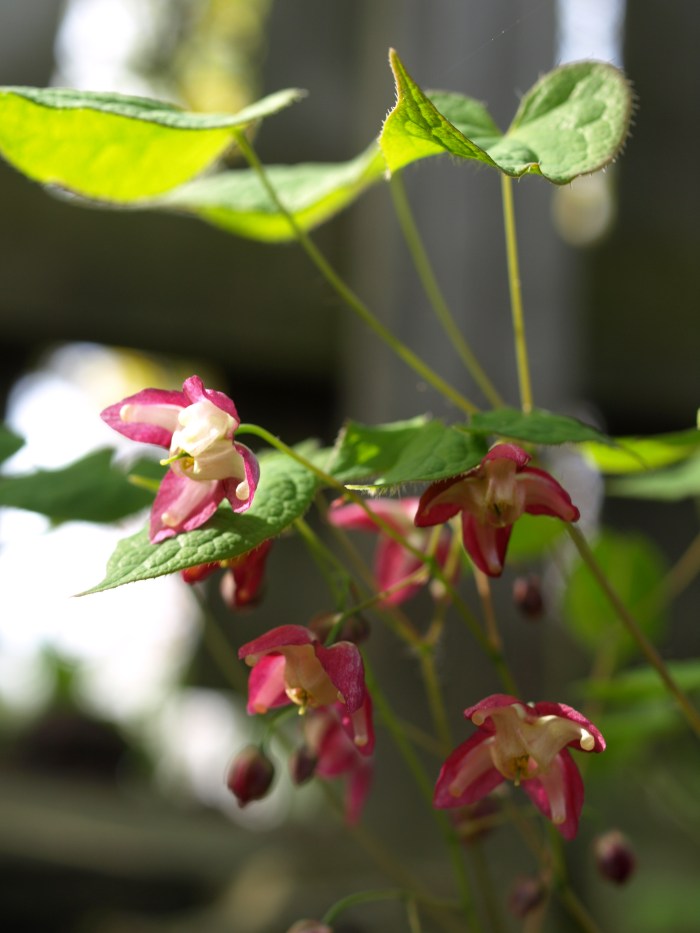
A girl can be delusional, right?
Spring is the most beautiful ugly I know.


Spring is a time for poetry. And so I share with you what I wrote this morning.
One Morning in March
It is March,
still winter,
and the white sky
seeks to remind us of it,
hunching low over the bare treetops
like a fog.
Yet this day we recall
that we did not
settle upon a glacier
or the icy moon Europa,
but upon earth.
Grass,
brown and bored,
peeks from beneath
the serrated grimaces of soiled snowbanks,
so reluctant to give any ground
to spring.
Traffic lanes and parking spots
we had forgotten
grow at the margins of this white world
like the black beaches of some volcanic island
still forming.
The wreckage
of the ice storm emerges
like an ancient ruined metropolis.
Oh, yes, we say,
I remember that storm.
Only the snow made me forget.
I pick up the keys
I dropped in the driveway—
the first dirt
to work its way under my fingernails
since November.
Inside
the dog’s muddy prints
on the kitchen floor
don’t raise my ire.
I don’t sigh and say, “Sasha!”
as I might have.
We shake ourselves awake
at the birds.
Birds.
That’s right, we say
in wonder.
There are birds.
I know that our glorious three-day warm up is done and freezing temps are back, but the incredible wind today puts me in mind of this hopeful poem from Robert Frost…
To the Thawing Wind
Come with rain, O loud Southwester!
Bring the singer, bring the nester;
Give the buried flower a dream;
Make the settled snow-bank steam;
Find the brown beneath the white;
But whate’er you do to-night,
Bathe my window, make it flow,
Melt it as the ice will go;
Melt the glass and leave the sticks
Like a hermit’s crucifix;
Burst into my narrow stall;
Swing the picture on the wall;
Run the rattling pages o’er;
Scatter poems on the floor;
Turn the poet out of door.
My new writing goal is to finish the first draft by the first day of spring, March 20th. Think of it–we are just one month away from the equinox. Not that will mean anything for the weather…
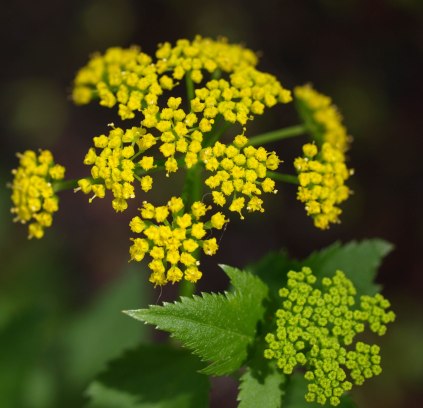
Common Name: Golden Alexanders
Scientific Name: Zizia aurea
Habitat & Range: wet ditches, field, and woods
Bloom Time: spring
About: I bought a couple of these native perennials at a native plant sale in 2009 and they have found a happy home in my shady garden. In fact, they are spreading. The problem is, they’re really only attractive (in the sense of not looking like a weed) when they’re in bloom, which isn’t for very long in the spring. But if you have a woodland garden, they are quite nice as it’s hard to get many flowers in such a setting. They are part of the carrot family and sometimes confused with Wild Parsnip. They are also related to Water Hemlock. In the past they were used to heal wounds and relieve fevers and syphilis, though I couldn’t speak to their effectiveness.
Reference: Wildflowers of Michigan by Stan Tekiela; Adventure Publications, 2000
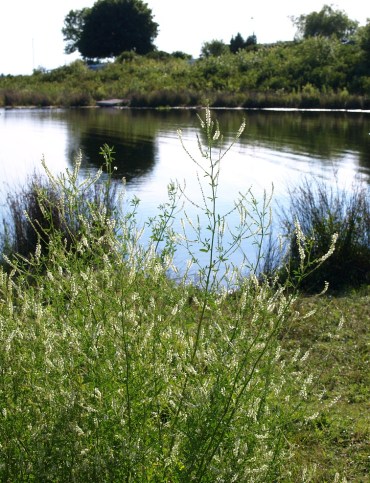
Common Name: White Sweet Clover
Scientific Name: Melilotus alba
Habitat & Range: sunny fields, shorelines, and roadsides
Bloom Time: spring, summer, and fall
About: If you ever walk along the shore of a lake in Michigan, it’s likely you’ve smelled an evocative mixture of sand and water and plant life that creates a permanent memory. It’s also likely that part of this smell cocktail will be White Sweet Clover, a member of the pea family. It’s a non-native plant once grown as a hay crop but, of course, it has escaped and can now be found everywhere. Just like the White Clover, it’s an important nectar source and nearly impossible to eradicate as the seeds can lie dormant for years and can germinate as far as seven inches down into the ground. But hey, at least it smells nice. It also comes in yellow.
Reference: Wildflowers of Michigan by Stan Tekiela; Adventure Publications, 2000
 Erin Bartels
You must be logged in to post a comment.